About
Liam Daley
Most leadership development tells people how to lead better. A simulation shows you how they actually lead right now.
Liam, Founder, Live Simulations
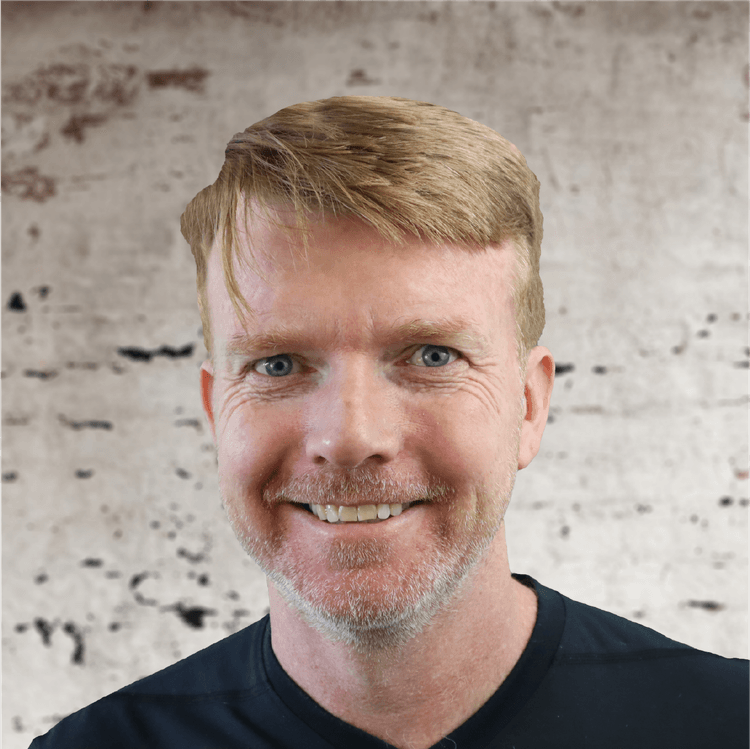
Founder, Live Simulations
Most leadership teams I’ve worked with weren’t short on ideas.
They’d read the books. Been to the workshops. Discussed the strategy. But when a real decision arrived, something interesting happened. People hesitated. Conversations drifted. Teams defaulted to the same patterns they always had.
The problem wasn’t knowledge. It was practice.
Leaders rarely get a safe place to test how their team actually makes decisions under pressure. So I built Live Simulations to create that space.
What happens in a session
Every simulation follows the same four phases. The game changes, but the structure stays the same.
01
Analyse
Teams dig into the simulation data, sorting the crucial information from the noise. This is where assumptions get tested early.
02
Strategise
Players craft a strategy that meets the goals within the rules of the game. Trade-offs are real and time is short.
03
Execute
They put the strategy into action, staying alert to feedback and making real-time adjustments as conditions change.
04
Reflect
We sit down and draw out the patterns: biases, blind spots, decision-making habits, and the moments that mattered most.
What I believe
Most leaders already know what good leadership looks like. The challenge isn’t understanding the idea. It’s seeing how you behave when the pressure hits.
You don’t develop that by discussing it. You develop it by doing it.
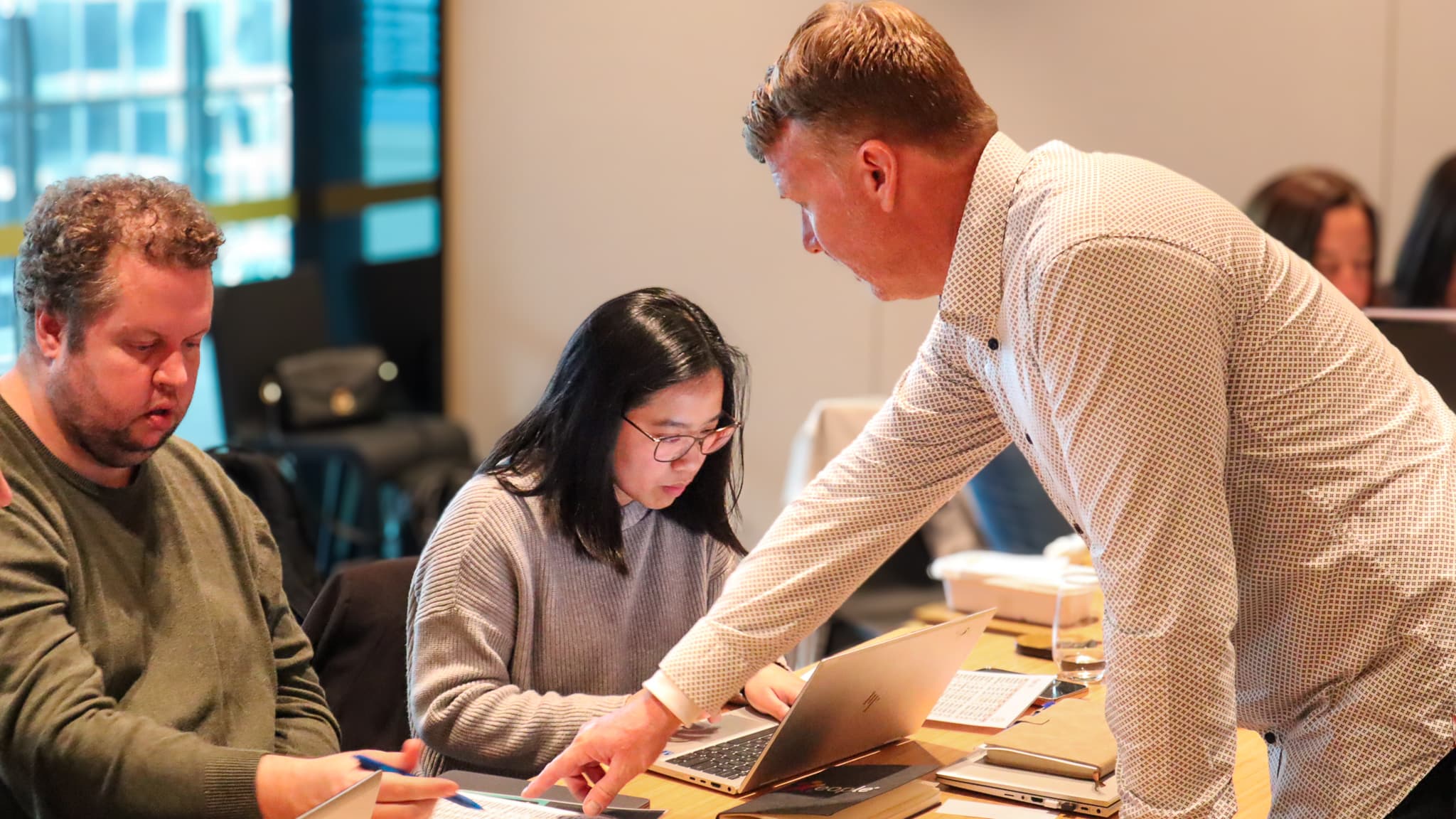
In our simulations, teams face incomplete information, competing priorities, and a ticking clock. Suddenly the theory becomes real. Who speaks up. Who waits. Who pushes for clarity. Who avoids the decision.
That moment of recognition is powerful. Once a team sees how it actually operates under pressure, it becomes much easier to change how it leads.
Background
Before launching Live Simulations, I spent years working with leadership teams through executive development and peer advisory groups, including as Head of Learning at Vistage.
That work gave me a front-row seat to hundreds of leadership conversations. I watched strong leaders work through strategy, culture, and growth challenges. But I also saw how hard it was to translate insight into behaviour.
Great ideas were discussed in the room. The real test always came later, when decisions had to be made under pressure.
That experience shaped the way I design simulations. Instead of asking leaders to imagine what they would do, we create a situation where they actually have to do it.
What I watch for
When a simulation is running, I’m not focused on the game itself. I’m watching the team.
Within the first round, patterns start to appear. Who drives the conversation. Who holds back. Who challenges assumptions. Who tries to keep the peace.
Sometimes the most senior person dominates every decision. Sometimes nobody wants to take ownership. Sometimes the quietest person in the room becomes the clearest thinker.
The thing that surprises people is how quickly teams recognise these patterns themselves. Someone will usually say: “That’s exactly what happens in our meetings.”
The simulation compresses months of team behaviour into a couple of hours. Once leaders see that clearly, they can start changing it.
30+
Simulations delivered
Melbourne, Sydney & Perth
Sessions run across Australia
97.9%
Average Vistage speaker score
Clients include
Profectus, ManpowerGroup, RCSA, and Vistage groups nationally
Want to see how your team actually operates under pressure?
Let’s talk about what you’re trying to achieve.